Water is the quietest test of international cooperation. There is no global water market and no single referee. Rivers cross borders whether governments get along or not, and a drought upstream can become a harvest failure downstream within a single season.
In 2026, the pressure is coming from three directions at once: more variable rainfall, growing cities and aging infrastructure. The agreements that hold are rarely grand treaties. They are practical arrangements over data, timing and who calls whom when the reservoir drops.
Key facts
- About 60% of the world's freshwater flows through basins shared by two or more countries.
- Only a minority of shared basins have a binding allocation treaty that covers drought.
- Dams can shift peak flows by days or seasons, changing downstream farming calendars.
- Joint hydrological data is often the first thing to collapse when relations sour.
- City utilities and farm districts usually negotiate water before national ministers do.
The dry-season test
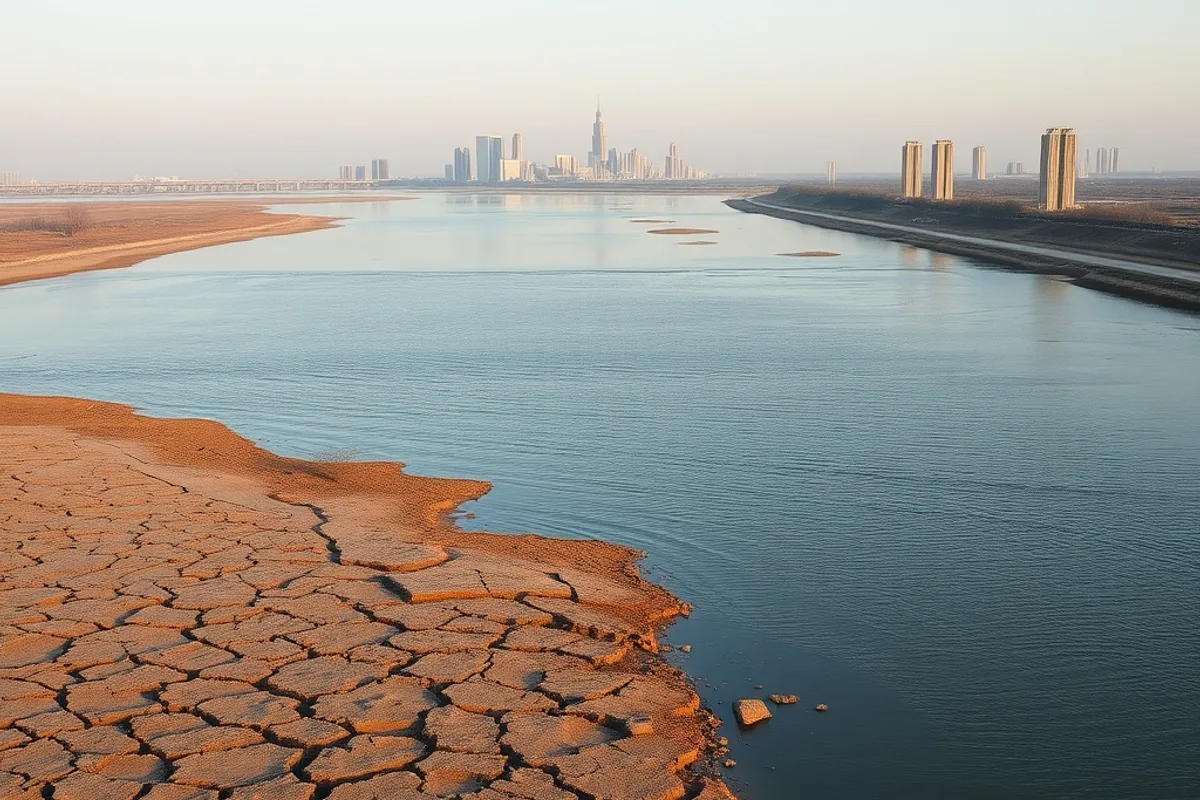
Every shared basin has a stress point, usually late in the dry season when reservoirs are low and farmers are deciding what to plant. That is when informal cooperation is tested and when data-sharing matters most.
Officials describe a predictable sequence: first reduced releases, then complaints, then emergency meetings. Countries with a standing technical committee tend to catch the problem earlier. Those without one often negotiate through the press.

The basins under pressure
The pressure is not evenly distributed. Basins fed by glacial melt face a long-term decline, while monsoon-fed rivers face sharper swings between flood and drought. Both make historical averages a poor guide for planning.
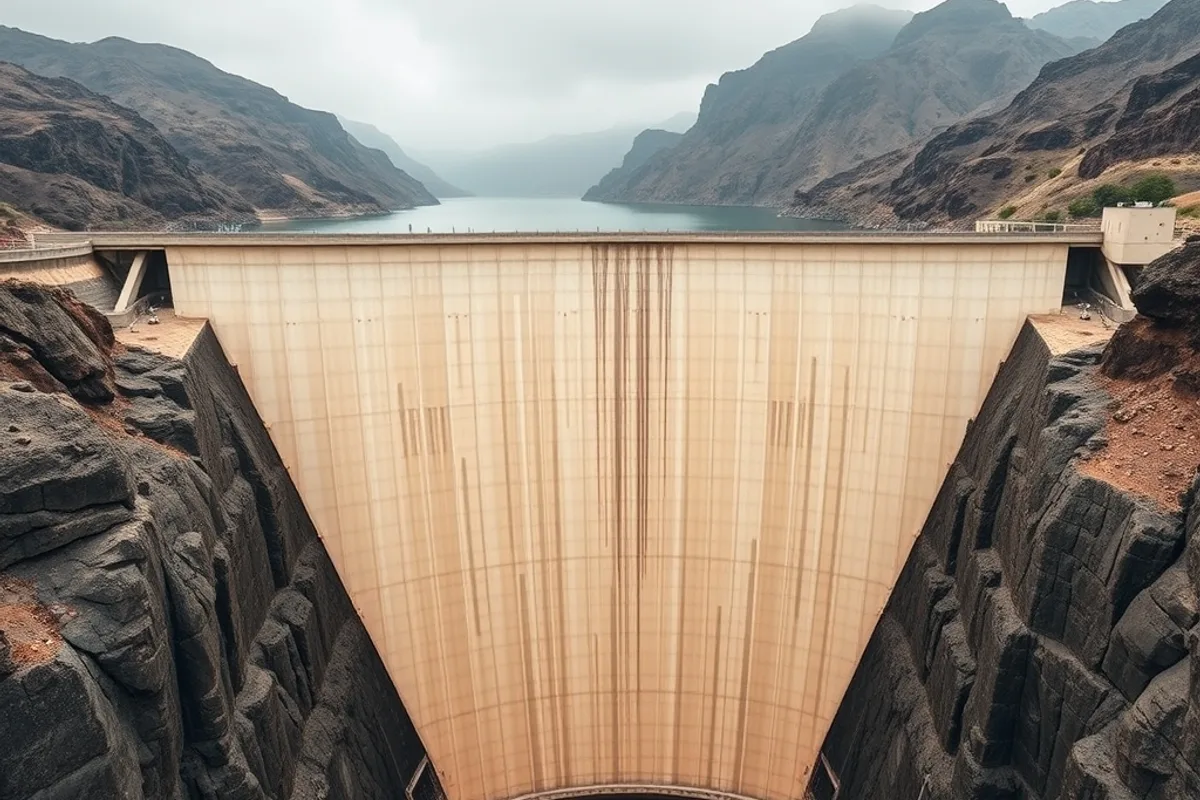
New dams add a second layer. Storage can reduce flood damage and generate low-carbon power, but it also gives upstream states more control over timing. Downstream farmers notice a changed calendar long before any formal dispute is filed.
Data as a bargaining chip
Hydrological data is the currency of water diplomacy. Flow gauges, rainfall radar and reservoir levels are not neutral when a government is deciding how much to release, and sharing them can reveal sensitive infrastructure.
The most durable arrangements separate data from politics. A joint technical secretariat, a common quality standard and a published update schedule reduce the temptation to weaponise numbers. In basins where trust is low, third-party universities often play that role.
Cities versus farms
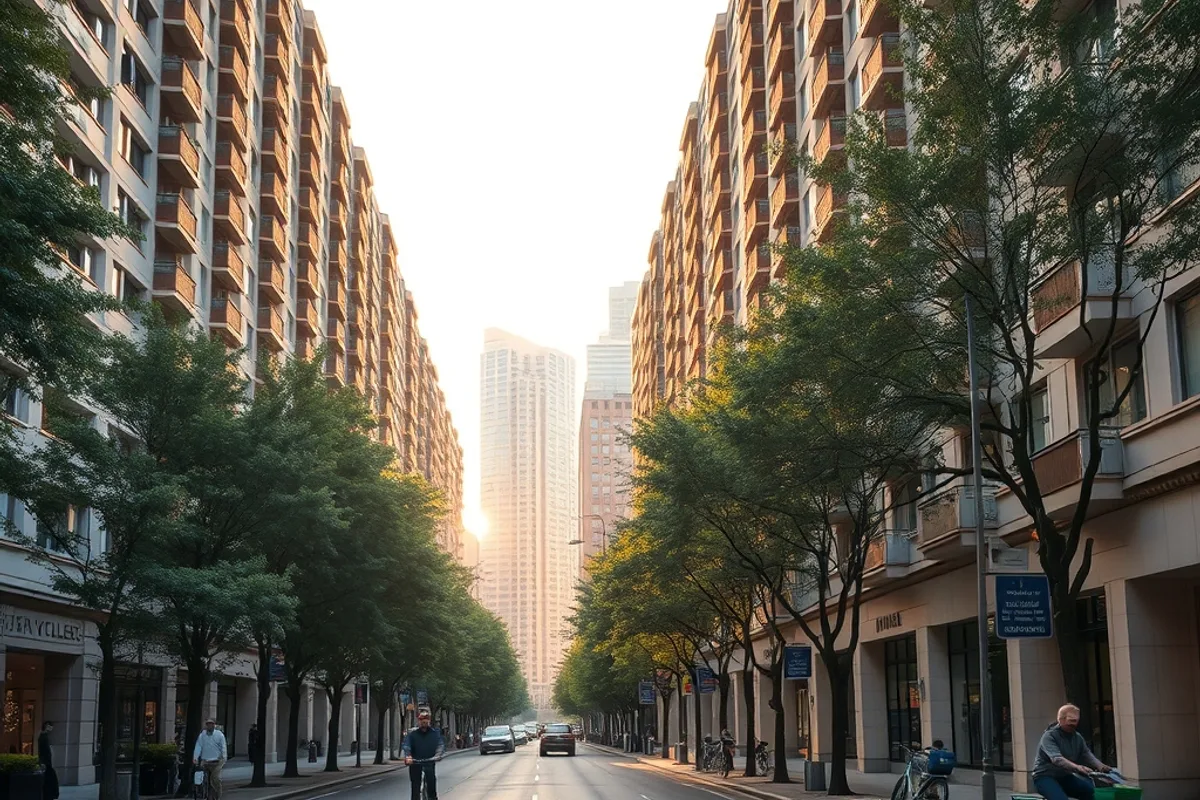
Most water is still used in agriculture, but cities have the louder political voice and the ability to pay. When a drought hits, the fight is often between a growing metro area and an irrigation district that holds older rights.
Several countries are experimenting with compensated transfers: cities fund efficiency upgrades in exchange for a share of the saved water. The model works when measurement is honest and the farm community has a seat at the table, not a notice afterwards.

A river does not wait for a memorandum of understanding. It simply arrives, or it does not.
What cooperation actually works
The practical ingredients are unglamorous: a shared gauge network, a agreed definition of a drought year, a hotline that is answered and a dispute process that does not require a summit. Treaties help, but procedures keep the peace between signing ceremonies.
Leaders also need a domestic story. Cooperation is easier to sustain when farmers and voters can see what they get in return, whether that is flood warning, guaranteed minimum flow or money for efficient irrigation.
What to watch next
Watch the next dry season, not the next communique. Watch whether reservoir data is published on time and whether the same officials keep showing up to technical meetings. Watch also the cities: a fast-growing metro with a leaky network can undo years of careful basin management.
Water stress does not automatically produce conflict. It produces negotiation, often noisy and imperfect. The countries that manage it best are the ones that started talking before the reservoir hit the red line.
Official source: UN-Water.