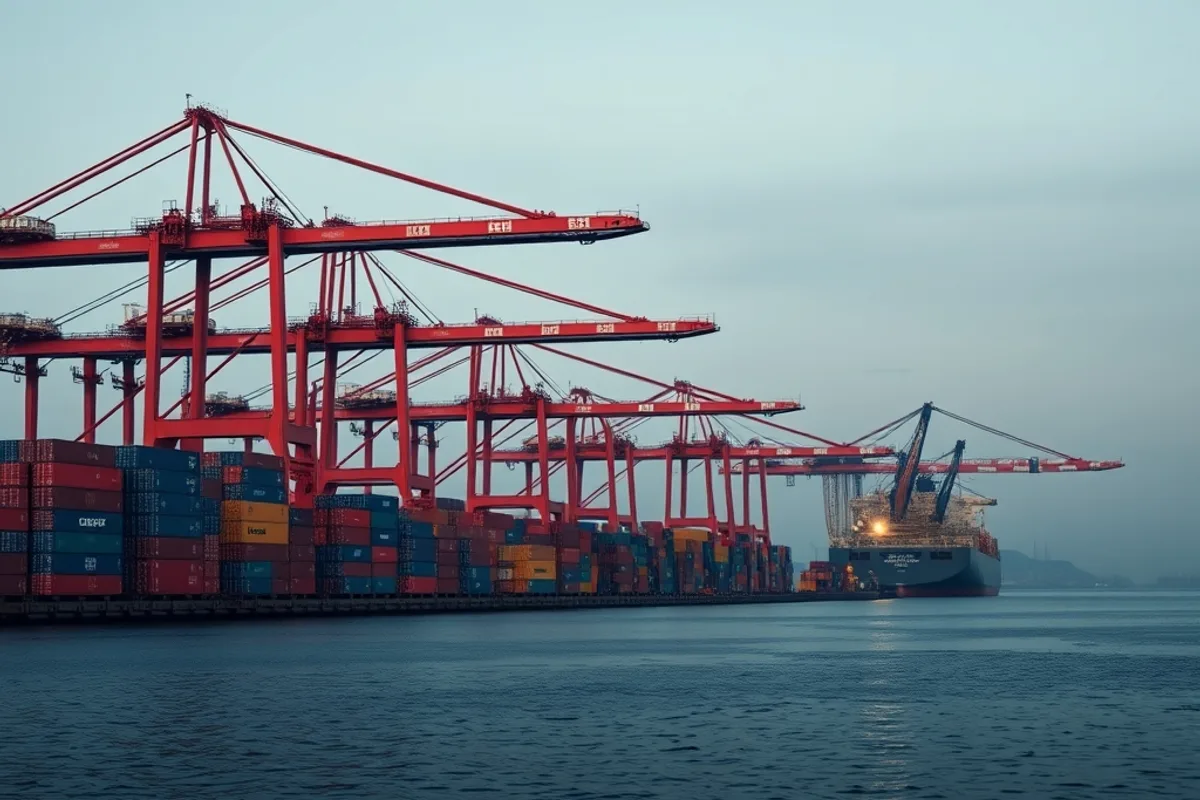
For three decades, the default assumption in manufacturing was that the cheapest reliable supplier would win. In 2026 that assumption still matters, but it is no longer the whole calculation. Regional trade rules, industrial subsidies and the risk of a border closing have become part of the cost of goods, alongside labour and freight.
The result is not deglobalisation. It is a redrawing: more trade inside blocs, more duplicate supply chains and more paperwork at the seams. We spoke to exporters, freight forwarders and procurement managers in three regions to understand how the new map works in practice.
Key facts
- More than 350 regional trade agreements are now in force, according to WTO tracking.
- Companies in three sectors we interviewed have shifted 10 to 25% of sourcing in two years.
- Rules of origin, not headline tariffs, now decide where many components are made.
- Smaller exporters face the highest fixed costs when adapting to overlapping rulebooks.
- Port and rail investment is following the new routes, but with a three to five year lag.
Why the map changed
The shift began as a risk exercise and became a policy one. Pandemic shortages exposed how thin many supply chains were. Then subsidies, export controls and new regional agreements turned location into a strategic decision rather than a purely commercial one.
For a mid-sized manufacturer, the practical effect is that a component can be cheap to buy and expensive to move. Tariff schedules, local-content thresholds and certification rules now sit alongside freight rates in the same spreadsheet.
Three blocs, three rulebooks
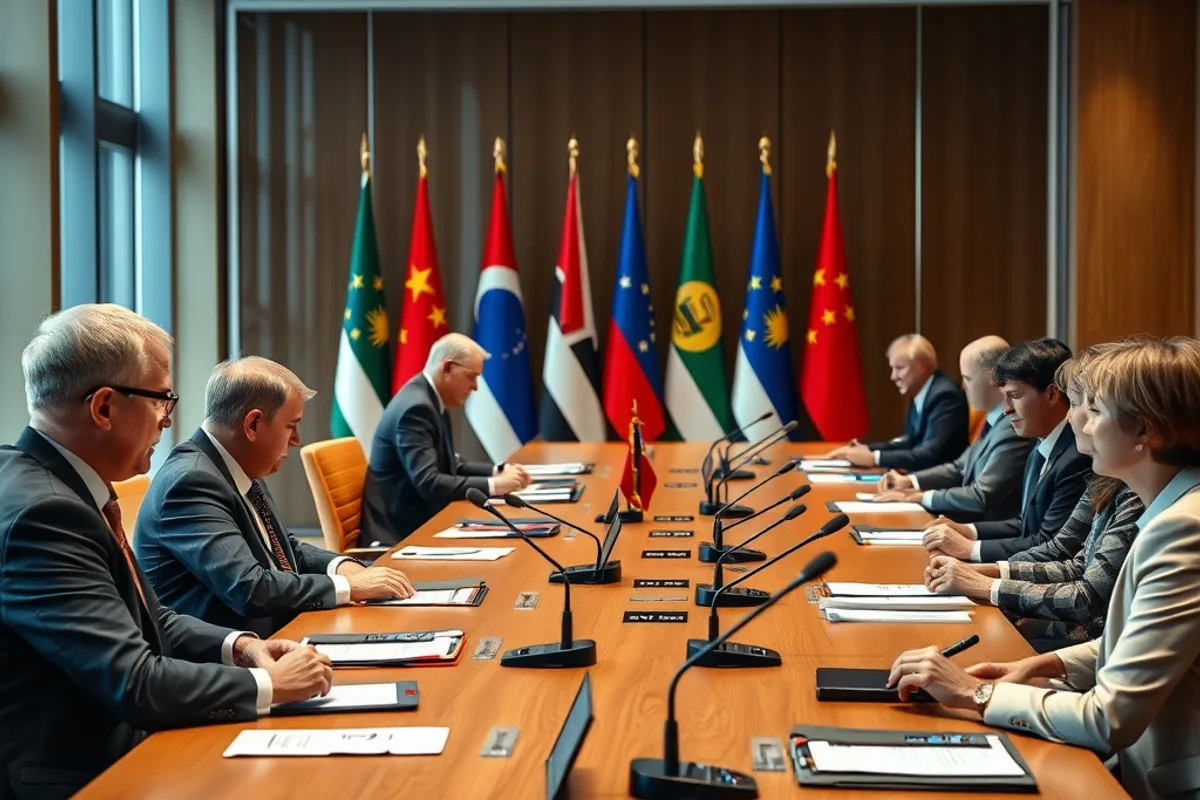
The world has not split into three neat camps, but three regulatory gravity centres now shape most decisions: North America, the European Union and an Asian production network centred on China but increasingly diversified into Southeast Asia. Each has its own rules of origin, subsidy regime and approach to data and standards.
That means a product sold in all three markets often needs three versions of its paperwork, and sometimes three versions of its supply chain. Compliance teams have grown; so has the use of regional assembly to satisfy local-content tests.
The factory floor reality
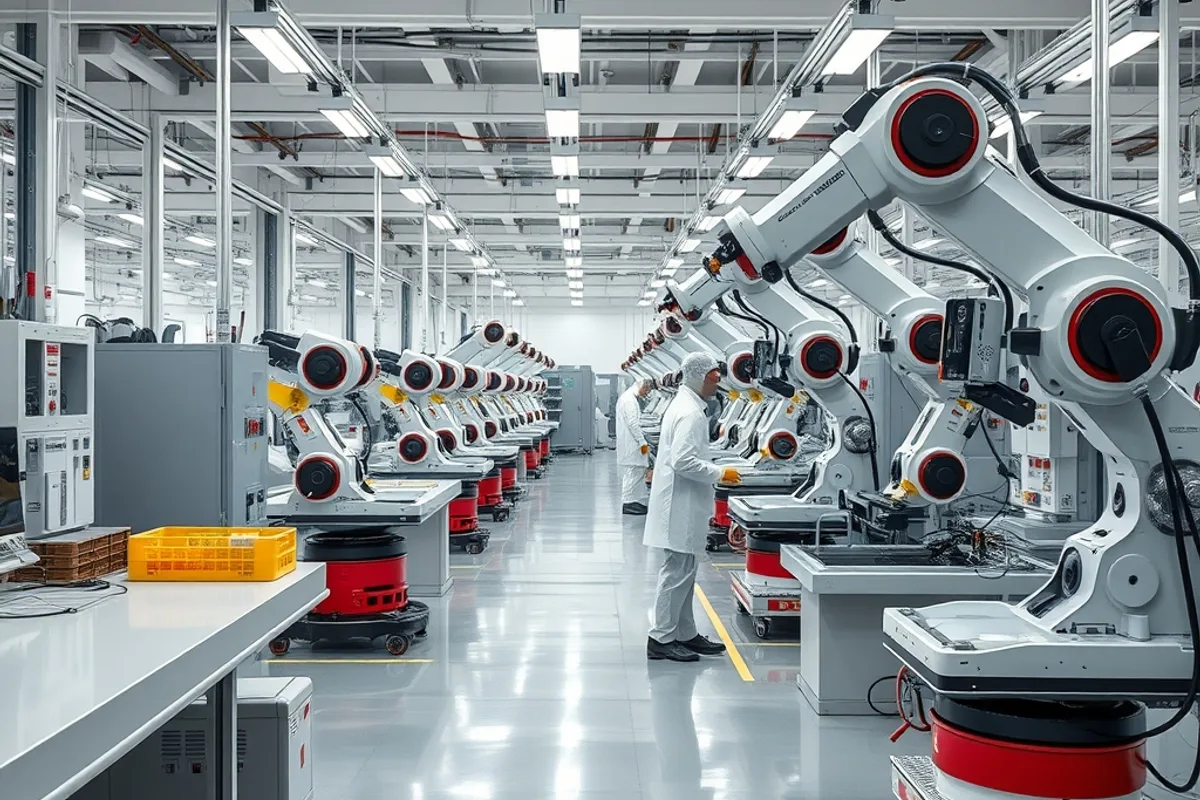
On the factory floor, the change is less dramatic than the speeches. Lines are added, not abandoned. A supplier opens a second plant near a new market while keeping the first. Workers see new training requirements and more variability in orders.
The companies that adapt best tend to be those that treated the rules as a design constraint early. They standardised components across regions, built dual sourcing for critical parts and kept enough cash to absorb a transition period that rarely runs on schedule.
Who pays for the detour
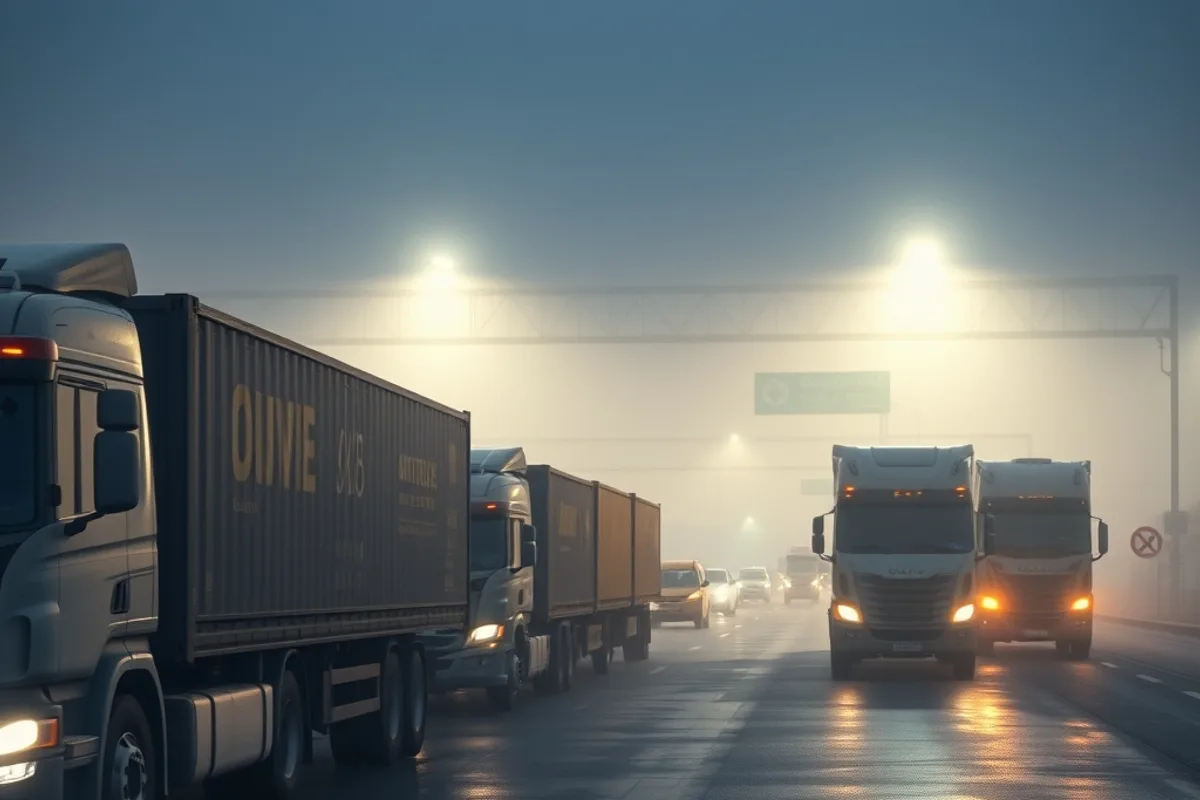
Consumers pay some of the cost, but not evenly. Goods with high compliance costs and low margins, such as basic household items, tend to see bigger price effects. Luxury goods and services absorb the change more easily.
Smaller exporters pay disproportionately in time. A large firm can hire a trade lawyer and open a second facility; a family-run supplier cannot. Aid programmes and shared testing facilities can reduce that gap, but they are unevenly funded.
The cheapest supplier is still important. It is just no longer the only number on the spreadsheet.
What companies are doing now
Three tactics recur in our interviews. First, near-shoring the final assembly while keeping specialised inputs global. Second, holding more inventory of components that cross a rulebook boundary. Third, designing products so that a single change satisfies multiple markets.
None of these is free. Inventory ties up capital, duplicate facilities reduce economies of scale and design compromises can weaken a product. The firms that succeed are explicit about which risk they are buying down and which they are accepting.
What to watch next
Watch the ports, not only the parliaments. The routing of new container and rail capacity tells you which trade lanes governments expect to matter. Watch also the disputes: a rules-of-origin challenge can change costs faster than a headline tariff.
For households, the relevant question is simpler. Which categories will become more expensive, and which will quietly become more reliable? The answer will differ by country, and it will be visible in the weekly shop long before it appears in a trade statistic.
Official source: WTO World Trade Report.