
For years, the housing debate was framed as a coastal capital problem. That framing is out of date. In 2026, some of the sharpest rent increases are in mid-sized cities that were considered affordable a decade ago, places with growing job markets but a housing stock built for a smaller population.
The squeeze is not one crisis but several. Students, service workers, young families and older renters are competing for different kinds of homes, and a policy that helps one group can push up costs for another. We looked at the data, the building pipeline and the politics.
Key facts
- Rent growth in many mid-sized cities has outpaced wage growth for a third consecutive year.
- A large share of new units in these markets are high-end, even as demand is concentrated at lower incomes.
- Permitting delays and infrastructure charges can add years to a mid-rise project.
- Converting offices and vacant commercial space is slower and costlier than headline promises suggest.
- Cities that streamlined approvals and funded affordable units saw the smallest rent increases.
The rent math
Rent is a residual. It is what remains after wages, transport and other fixed costs, and it is set at the margin by what the next tenant can pay. In a tight market, a small inflow of higher earners can lift the whole rent distribution, especially when vacancy is low.
Mid-sized cities often have an additional problem: a thin rental market. With few purpose-built rentals, a single large employer or a short-term rental boom can move the local price more than it would in a larger city.

The supply story is incomplete
More homes help, but the type and location matter. A city can add thousands of units and still see rents rise if those units are in high-end developments while the shortage is in smaller, cheaper homes near transit and work.
Construction costs also set a floor. When land, materials and financing are expensive, private builders need high rents or sale prices to proceed. That is why subsidised and non-market housing remains necessary even in cities that build a lot.
The missing middle
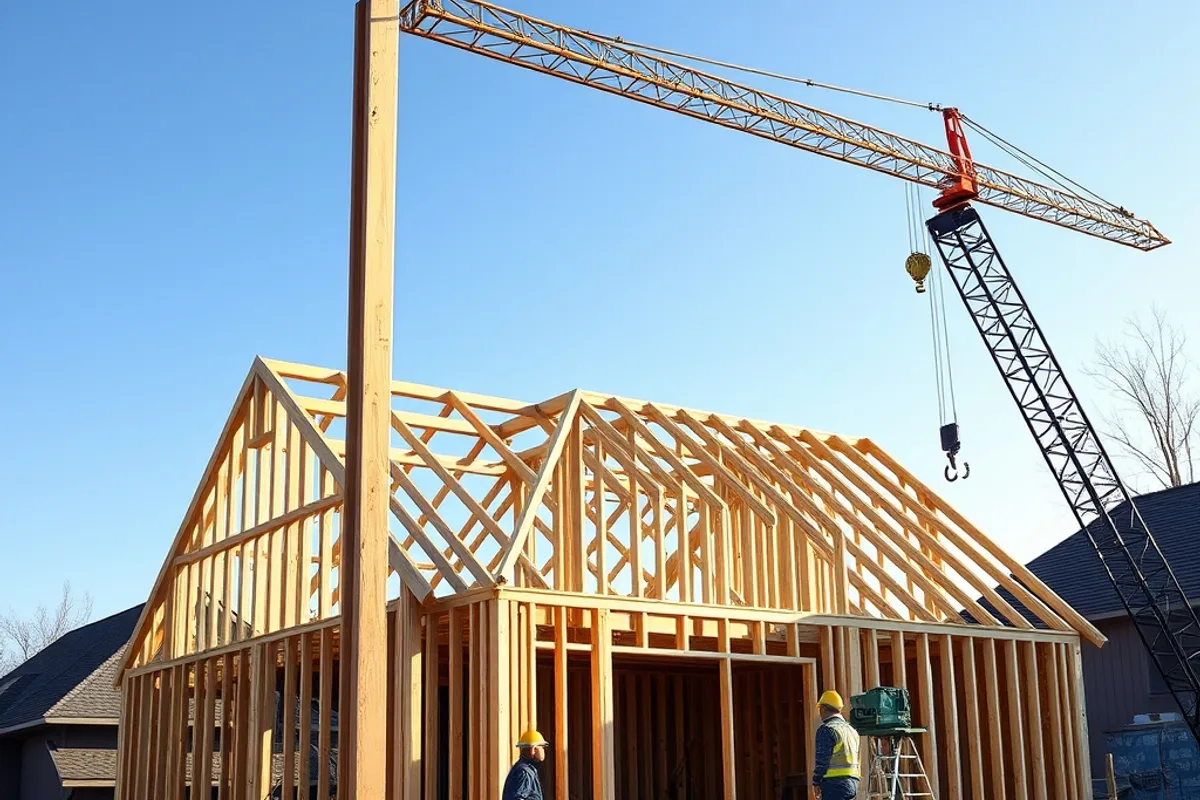
Between detached houses and large apartment towers sits a range of housing that many cities have effectively banned: duplexes, small apartment buildings, courtyard housing and converted commercial space. These are often the cheapest new homes to build and the easiest to fit into existing neighborhoods.
Reforming those rules is politically harder than it sounds. Residents worry about parking, trees and character. The cities that have succeeded tend to pair legalisation with visible investment in streets, parks and schools, so growth feels like a bargain rather than a loss.

The zoning battles
Local councils control much of the housing supply, but they also face the loudest opposition. Planning meetings reward those with time to attend, which skews toward older, wealthier homeowners. Renters and future residents are underrepresented by design.
Some cities are changing the process rather than the ideology: standardised designs that can be approved quickly, published timelines and independent panels for routine applications. The aim is to keep debate real while removing the veto points that stop modest projects.

A city can grow its jobs faster than its sewers, its schools or its housing. Only one of those shortages shows up in the rent every month.
What cities have tried
The most effective packages combine three things: more land zoned for homes, a predictable approval path and dedicated funding for below-market units. Cities that did only one of the three saw limited results.
Rent caps can protect sitting tenants, but they do not add a single unit and can discourage maintenance if poorly designed. Well-targeted assistance, such as housing vouchers tied to a functioning market, often helps more people faster.
What happens next
The next two years will be decided by interest rates as much as local politics. Cheaper finance unlocks projects already permitted; higher rates stall them. Cities cannot control the cost of money, but they can control how quickly a viable project gets a decision.
The deeper question is whether mid-sized cities will treat growth as an opportunity to build a better housing mix, or repeat the supply constraints of the places people left. The answer will shape who can afford to stay.
Official source: OECD housing policy.