
Care work is the infrastructure nobody notices until it fails. It is the home visit that gets an older person out of bed, the shift that covers a hospital ward, the unpaid daughter who manages medication and bills. In 2026, the gap between what aging societies need and what they are willing to fund has become impossible to ignore.
The shortage is not simply a lack of people. It is a lack of paid, secure jobs that people can build a life around. We spoke to care workers, family carers and managers about what would actually change the situation.
Key facts
- In many high-income countries, the number of people over 80 is growing faster than the care workforce.
- Care wages often sit below comparable entry-level jobs with less physical and emotional strain.
- Most long-term care is still provided unpaid by family members, disproportionately women.
- Migration can fill gaps, but visa rules and credential recognition remain major barriers.
- Monitoring technology helps with safety, but cannot replace help with eating, washing or loneliness.
The demographic squeeze
The arithmetic is unforgiving. As life expectancy rises and birth rates fall, the ratio of working-age people to older people shrinks. At the same time, more older people live alone, and families are smaller and more geographically scattered than a generation ago.
This does not mean every older person needs formal care. Many remain independent for decades. But the tail of intensive need is growing, and it is concentrated in the last years of life, when care is most expensive and most personal.

The invisible workforce
Paid care workers are often treated as unskilled, even though the job requires judgement, physical stamina and emotional labour. Wages reflect that classification, not the difficulty of the work. The result is high turnover and chronic understaffing.
Unpaid family carers are even less visible. They may reduce their hours, leave a career or spend savings. Policies that offer respite, training and a modest allowance can keep them going, but they are often complicated to access and poorly publicised.

The migration question
Several countries are recruiting care workers abroad. Done well, this can be mutually beneficial. Done badly, it drains health systems in poorer countries and leaves workers vulnerable to exploitative contracts.
The barriers are practical: language tests, credential recognition, visa conditions that tie a worker to one employer and family reunification rules that keep people separated. Fixing those details matters more than changing a recruitment slogan.

The limits of technology
Sensors, video calls and medication reminders can extend independence and give families peace of mind. They are genuinely useful. But they do not lift a person out of a chair, prepare a meal or notice that someone has stopped eating.
The most promising technologies reduce the administrative burden on care workers: better scheduling, shared records and remote monitoring that flags a problem early. That frees time for the human part of the job, which is the part that cannot be automated.
We call it care, but we treat it like a cost. Then we are surprised when the workers leave for better-paid jobs that ask less of them.
Community models that work
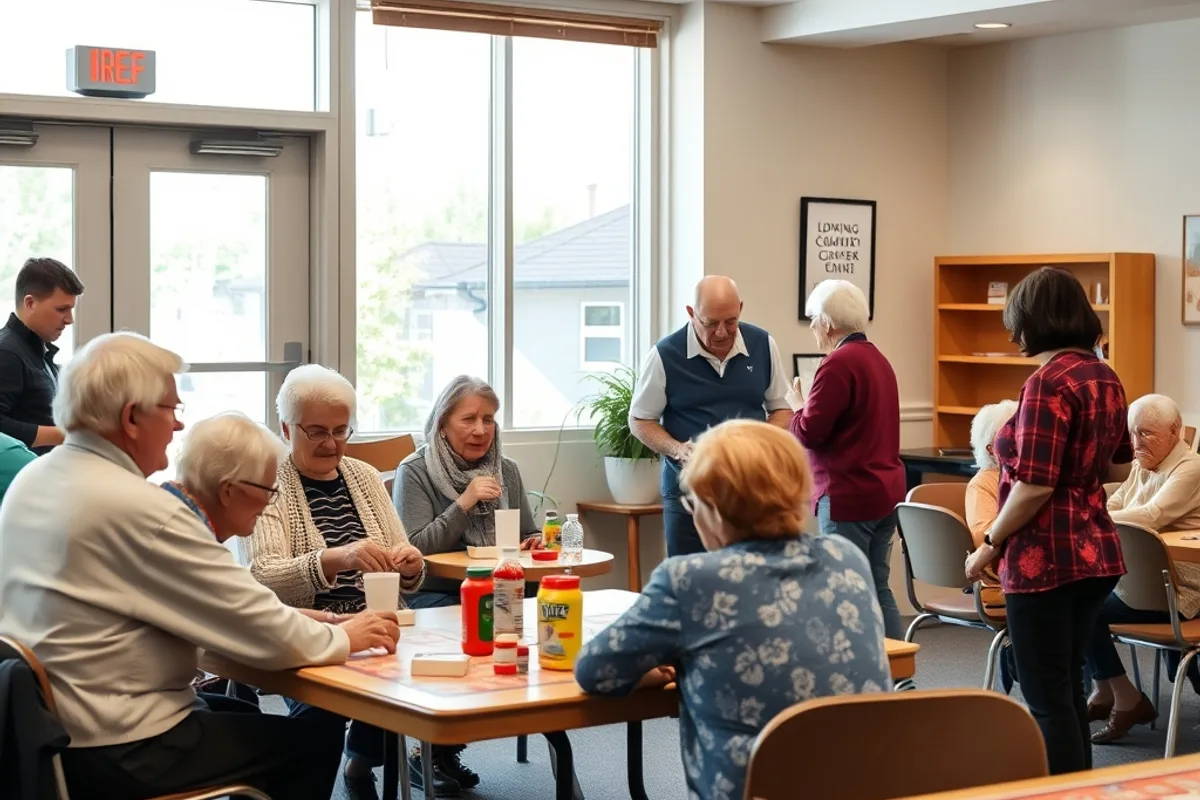
Some of the most effective models are small and local: shared housing for older people, neighbourhood visiting schemes, cooperatives that employ care workers directly and day centres that combine health checks with company.
They work best when they are reliably funded and integrated with formal health services. A volunteer visiting scheme is a supplement, not a substitute for a nurse. The strongest programmes coordinate both.
The choices ahead
The debate usually comes down to three options: pay more through taxes or insurance, expect families to do more, or ration care. Most countries are doing a bit of all three, which satisfies nobody and protects the most vulnerable least.
A serious policy would start with the workforce: better pay, guaranteed hours, training and a career path. That is expensive, but it is cheaper than a system that keeps losing experienced staff and shifting the cost onto families.
Official source: WHO ageing and health.