
Every election now comes with a misinformation story, and every misinformation story is slightly different. In 2026, the most consequential falsehoods are not always the ones with the biggest reach. They are the ones that arrive at the right moment, in the right local group, and persuade a few thousand people to stay home or to distrust a result.
We looked at how newsrooms, platforms and election officials are responding, and at what the evidence says actually works.
Key facts
- Most viral election falsehoods are locally targeted and spread through private messaging.
- Corrections reach fewer people than the original claim, but they can reduce harm when repeated.
- Election officials are publishing more prebunking material before voting begins.
- Platform policies vary widely, and enforcement is often slower than the news cycle.
- The most effective response combines rapid fact-checking with trusted local messengers.
The new shape of the problem
The old model was a viral post on a public platform. The new model is a screenshot forwarded through a private group, translated into a local dialect and framed as a warning from someone's cousin. It is harder to see, harder to fact-check and harder to correct.
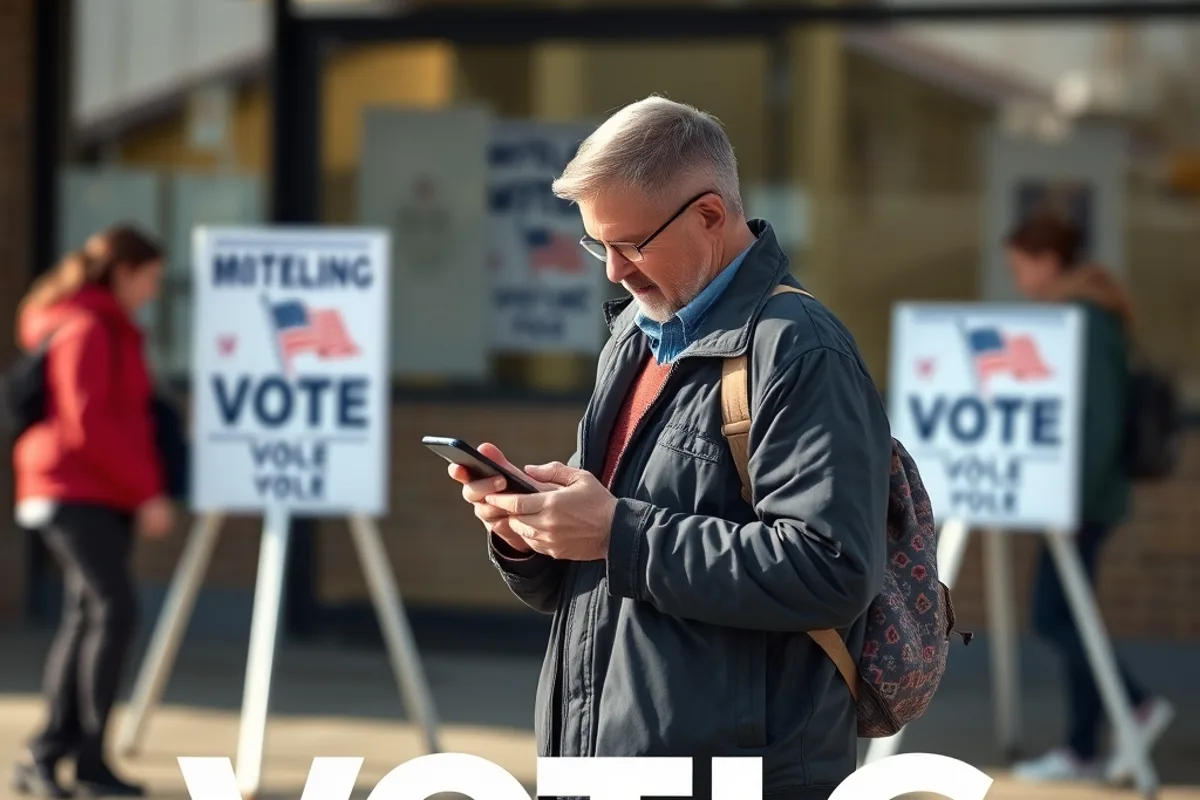
Local targeting makes it more effective. A false claim about a polling station in one neighbourhood is irrelevant nationally but decisive for the people who live there.

Speed versus accuracy
Newsrooms face a familiar trade-off. Waiting too long lets a falsehood set the terms of the debate; publishing too quickly can amplify it. The best practice is to report on the claim carefully, state what is known and link to the evidence.
Corrections should be as shareable as the original claim. That means short formats, clear headlines and the same channels where the rumour spread. A lengthy explainer on a website is useful, but it rarely travels as far.

The local messenger advantage
Trusted local voices are more effective than distant authorities. A respected teacher, faith leader, pharmacist or community radio host can correct a rumour with less resistance than a national fact-checker.
That is why some election offices now fund local information networks rather than only national campaigns. The message is consistent, but the messenger is familiar.
What platforms are doing
Platform policies vary, and enforcement is uneven. Some label false claims, some reduce their reach and some remove them. All three approaches are slower than a private messaging chain.
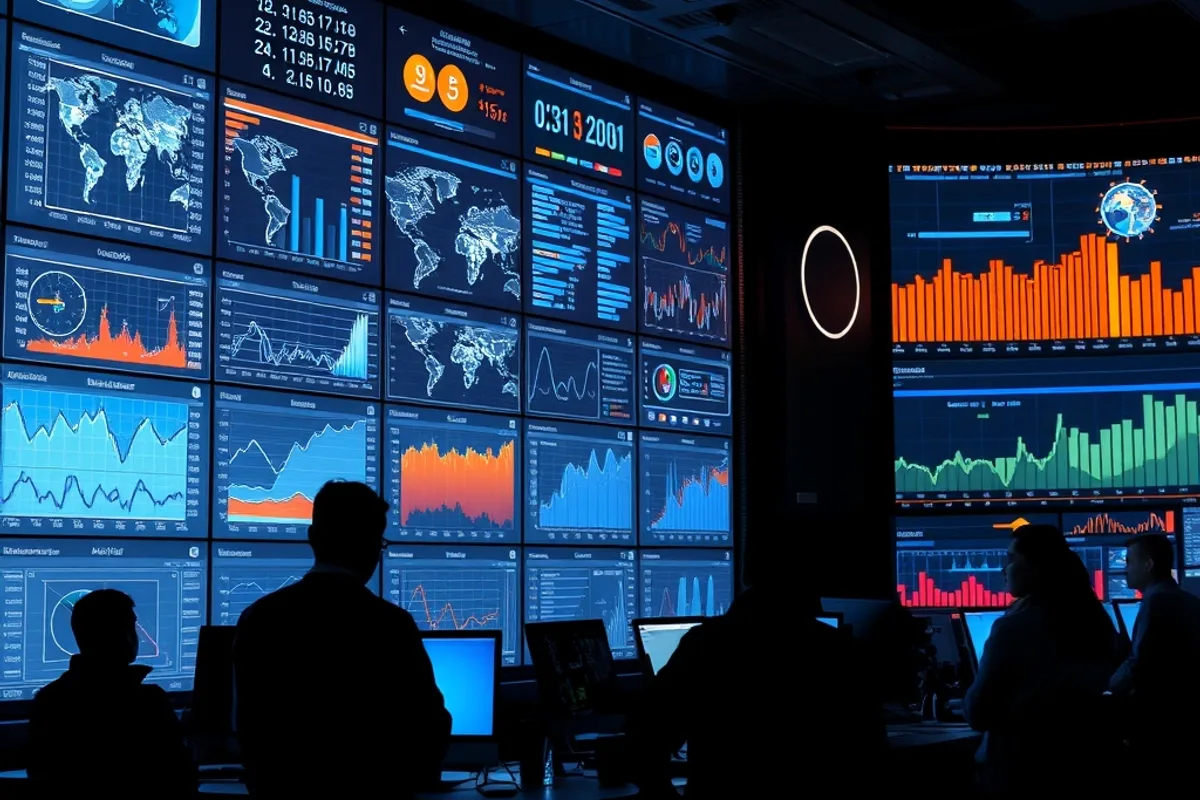
Transparency is the recurring gap. Researchers and election officials need access to data on how false claims spread, but privacy concerns are real. The debate is now about the terms of that access, not whether it should exist.
The goal is not to win every argument online. It is to make sure the people who need accurate information can find it before they act.
Election officials adapt
Election offices are publishing more explanatory material before voting starts: how ballots are counted, how results are certified and what a normal delay looks like. The aim is to pre-empt the false story rather than chase it.
They are also building relationships with local media and setting up rapid-response teams. The most useful preparation is mundane: a single source of truth for results, updated on a predictable schedule.
What it means for democracy
Misinformation does not need to change a result to do damage. It can erode the expectation that results are legitimate, which is a precondition for peaceful transfers of power.
The response cannot be only technological. It requires trusted institutions, transparent processes and a public that knows where to check a claim. That is slower than a takedown, but it is more durable.
Official source: International election standards.