Climate summits are judged by their final text, but finance deals are judged by their bank statements. The package announced this year is the largest headline figure yet, and it is also one of the most complicated to interpret.
We broke down what is new, what is recycled and what has to happen before the money reaches a flood defence, a solar farm or a farmer facing a failed harvest.
Key facts
- The announced package mixes grants, loans, guarantees and private investment pledges.
- Only a portion of the total is new money; some commitments were previously announced.
- Adaptation finance still lags behind mitigation, despite repeated promises to balance them.
- Disbursement is often slower than announcement, especially for fragile states.
- The next test is the annual budget process, where pledges become line items.
The headline number
The announced total is a mix of public and private money, spread over several years. That is normal, but it makes comparison difficult: a guarantee that mobilises private investment is not the same as a grant that pays for a sea wall.
Officials also included some commitments made before the summit. That is not necessarily dishonest, but it means the "new money" is smaller than the headline suggests.
Grants, loans and guarantees
The composition matters as much as the total. A grant transfers resources. A loan must be repaid, sometimes in foreign currency. A guarantee takes on risk but may not move money immediately.
For countries already carrying heavy debt, more loans can be a problem rather than a solution. Grant-based adaptation funding is the scarcest and most valuable part of the package.
Adaptation still lags
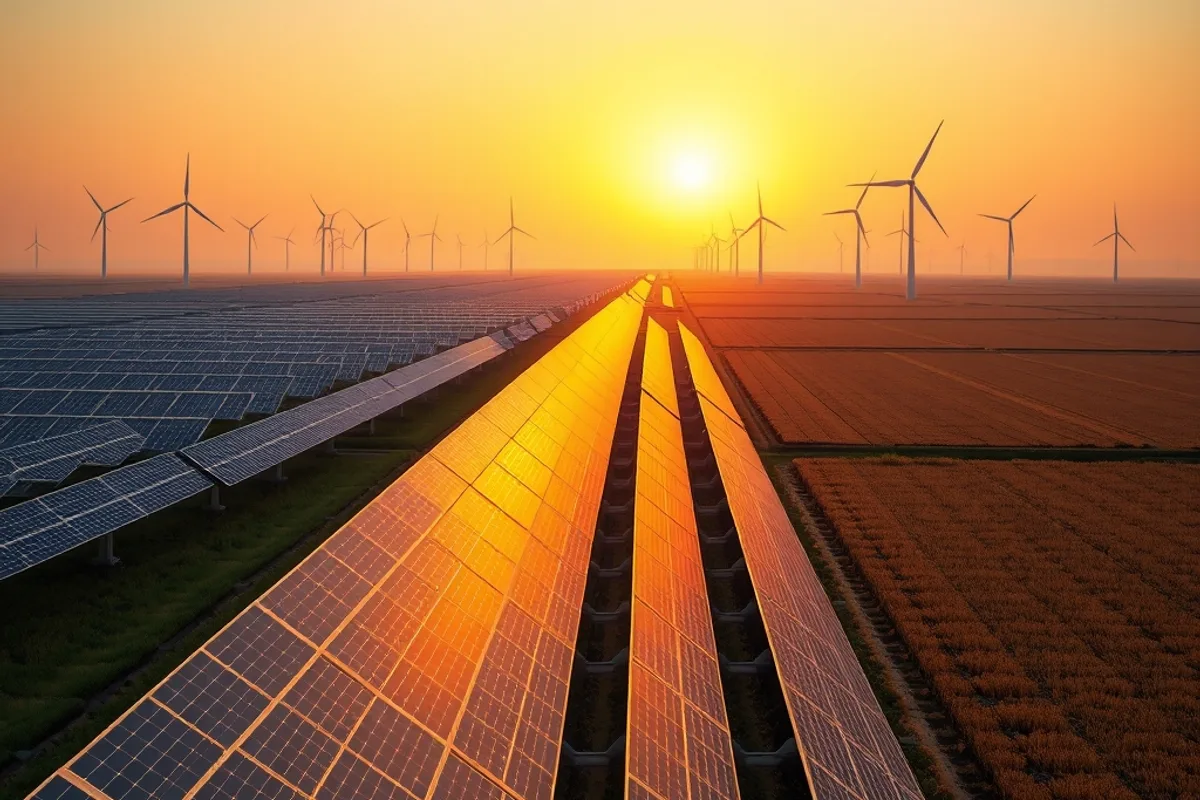
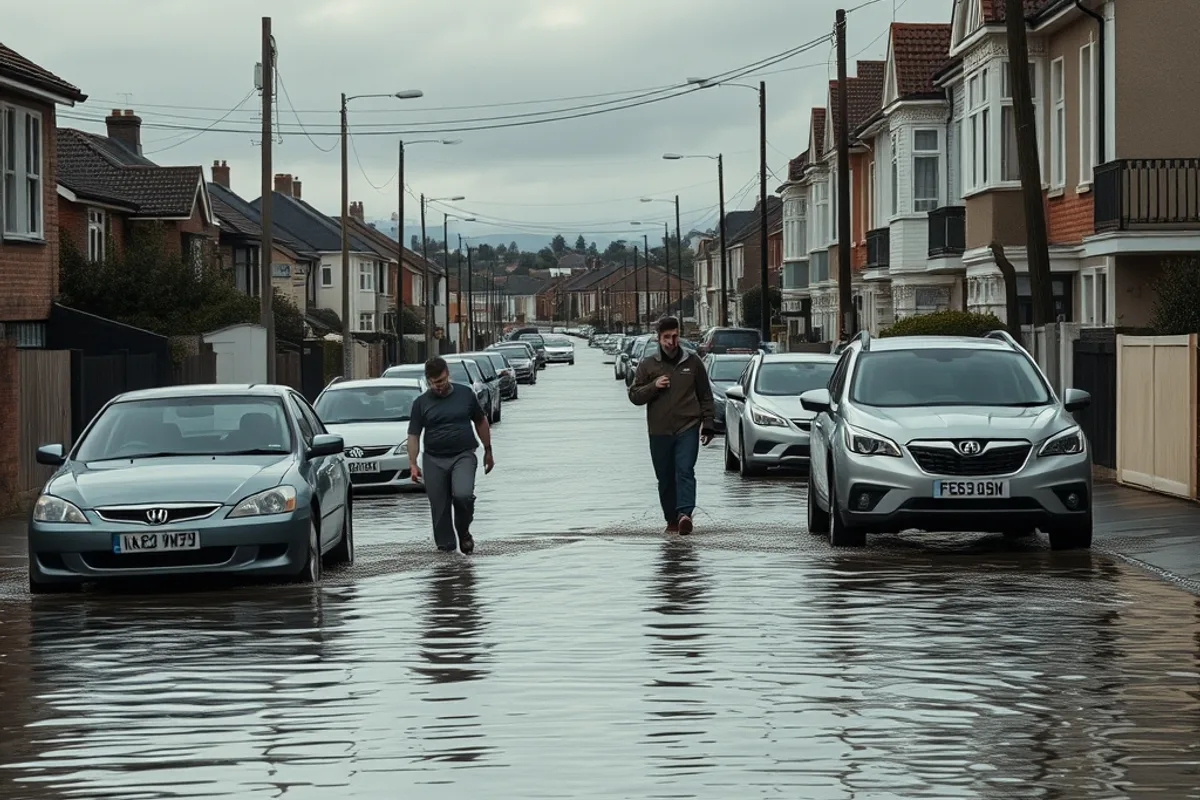
Mitigation attracts private capital because it can generate a return: a wind farm sells electricity. Adaptation often protects public goods such as flood barriers, early-warning systems and resilient crops, where the business case is weaker.
Promises to balance adaptation and mitigation finance have been repeated for years. The gap persists because the instruments and incentives still favour projects with a revenue stream.
The delivery problem
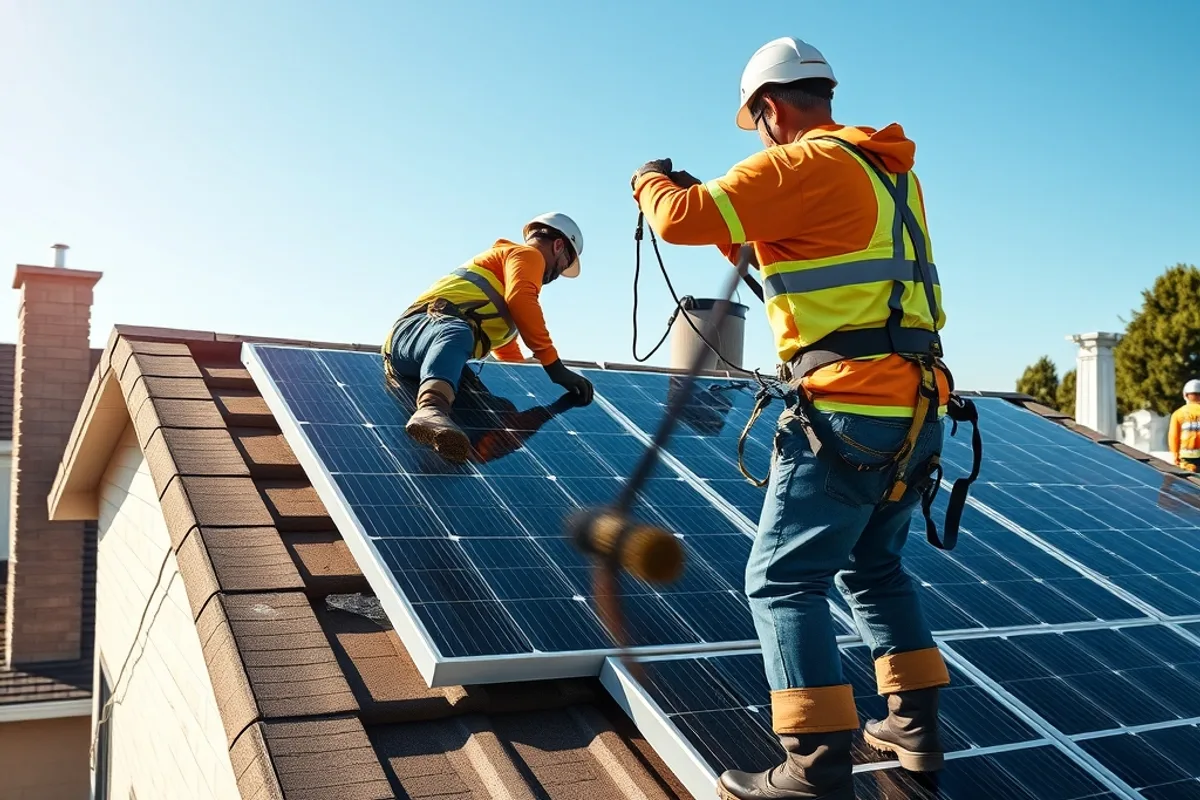
Even committed money can take years to spend. Countries need project pipelines, procurement capacity and reliable institutions. Fragile states, which are often the most exposed, have the least capacity to absorb complicated financing.
Reform proposals focus on simpler application processes, direct budget support and smaller grants that local governments can use quickly. Those are less photogenic than a summit announcement but more likely to produce a result.
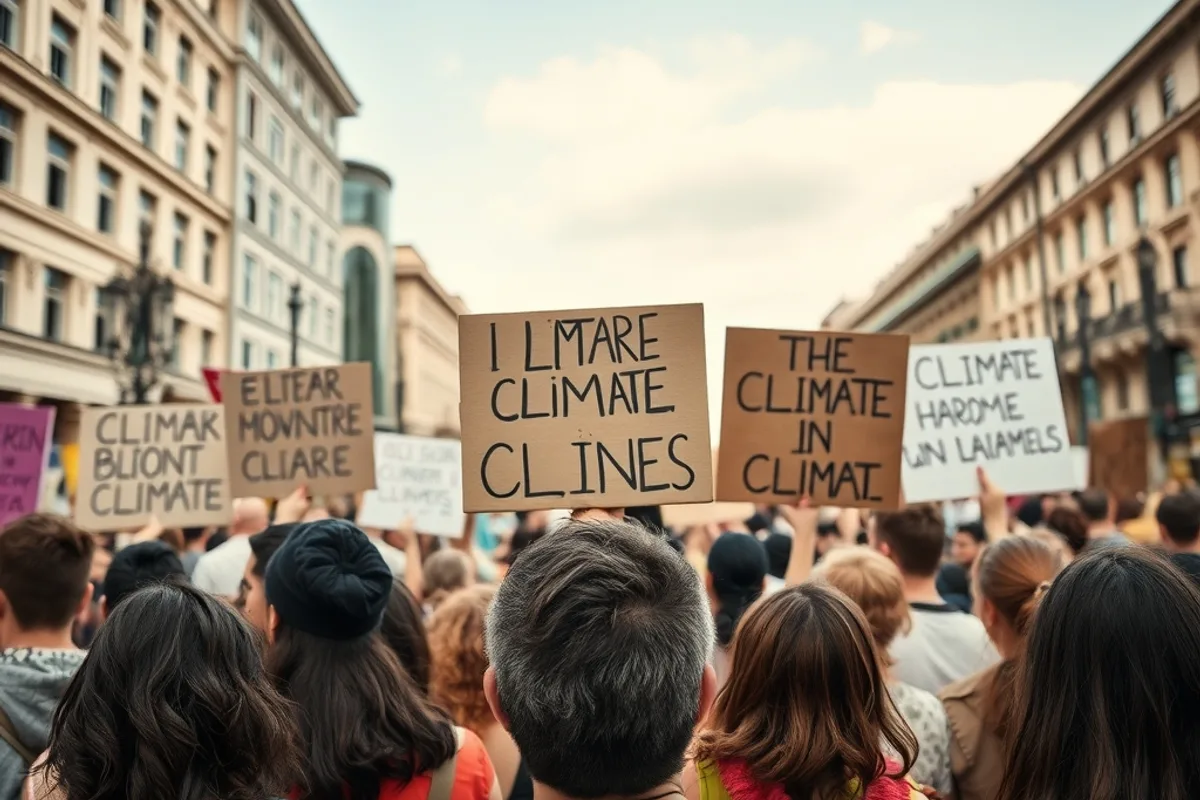
A pledge is a promise. A disbursement is a fact. The gap between them is where climate policy is won or lost.
Who decides where it goes
Governance is the quiet battleground. Donors want accountability and measurable outcomes; recipients want ownership and less conditionality. Both concerns are legitimate, and the balance determines whether projects reflect local priorities.
A useful test is whether affected communities have a role in choosing projects. Adaptation works best when it is designed with the people who will maintain it, not only for them.
The next test
The next test is budget season. Pledges become real when they appear in spending plans with a timetable and a responsible agency. Watch also the first disbursements to the most vulnerable countries.
The deal is neither a breakthrough nor a failure yet. It is a set of commitments whose value will be decided by implementation, and by whether the countries that promised the money treat it as a floor rather than a ceiling.
Official source: UN climate change.