Transport networks are designed for average days. This week was not average. A rail strike, a port backlog and bad weather combined to expose how little spare capacity remains in the system, and how quickly a local disruption becomes a national story.
We spoke to commuters, operators and a freight forwarder to separate the inconvenience from the structural problem.
Key facts
- The rail dispute is centred on staffing levels and rest-day working, not just pay.
- Two ports reported container dwell times above five days, roughly double the normal level.
- Average commute times have risen in most large cities since 2023.
- Freight operators are shifting some cargo to road, adding cost and emissions.
- A negotiated settlement on rostering would likely end the strike quickly, according to both sides.
Inside the rail strike
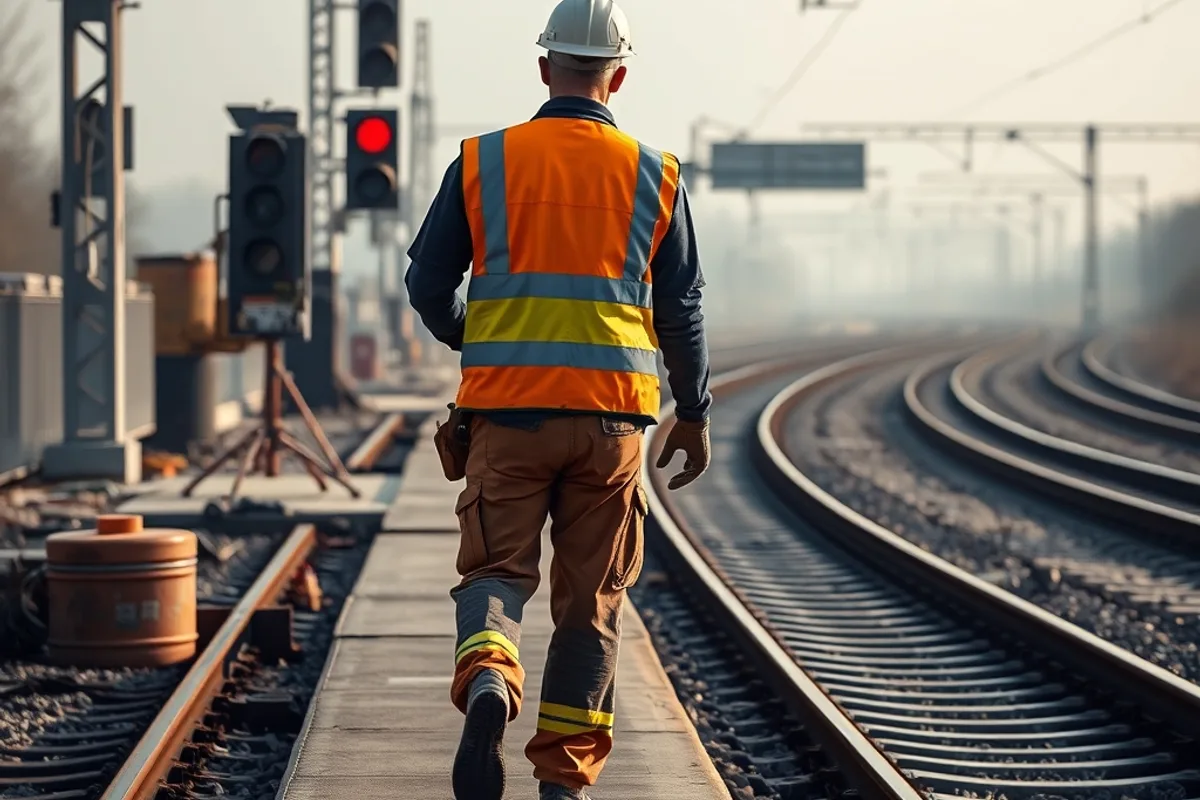
The strike is about more than pay. Train operators want more flexibility on rest-day working; unions say that flexibility has become a permanent staffing shortcut. Both sides agree the dispute is solvable, which makes the lack of a deal more frustrating.
Services are running on a reduced timetable, with some routes suspended entirely. Replacement buses are filling gaps but add 30 to 60 minutes to many journeys.
Port queues lengthen
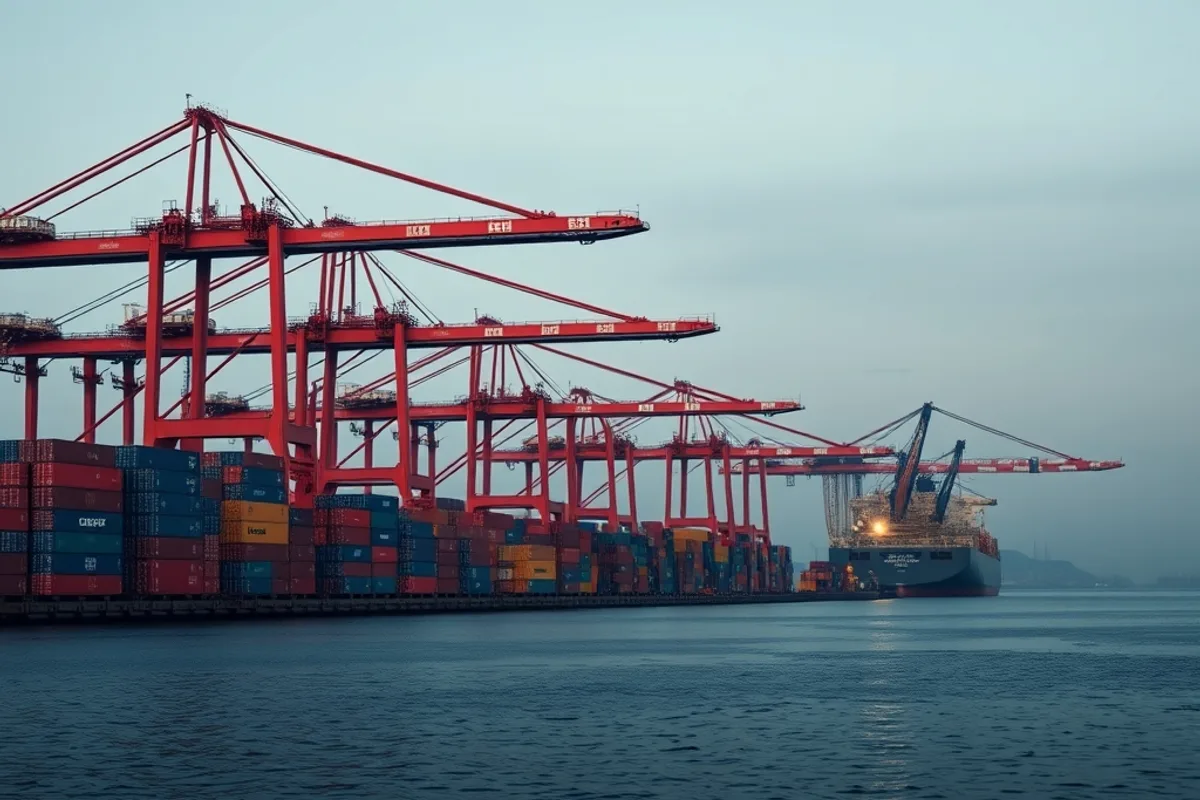
Container dwell times at two ports have risen above five days, roughly double the normal level. The cause is a mix of labour action, bad weather and a surge of arrivals that arrived at the same time.
Shipping lines are adjusting schedules and skipping some calls. That helps the vessels but pushes more pressure onto road and rail links serving the remaining ports.
The commute gets longer
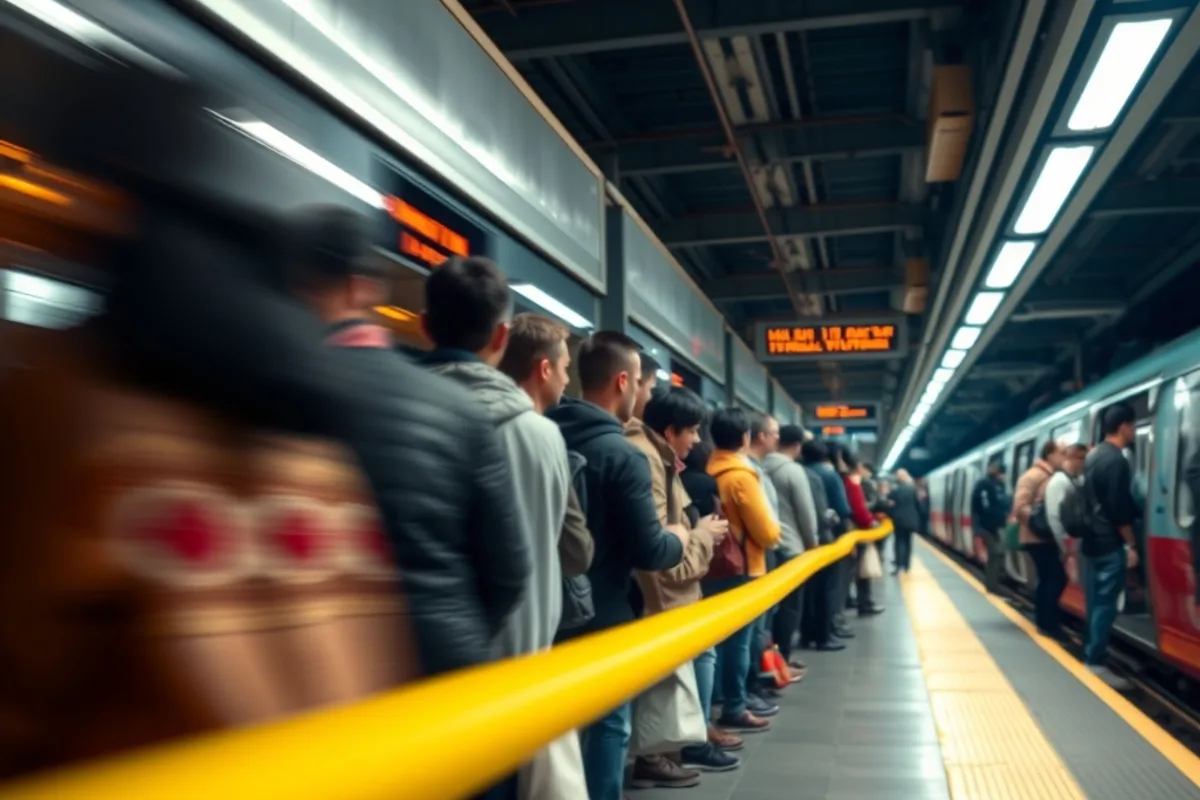
Even before this week, average commute times had been rising in most large cities. Housing costs push workers further from job centres, while transport investment lags behind new development.
The result is a commute that is longer, less predictable and more expensive. Remote work has softened the peak for some occupations, but not for the service and care workers who must be on site.

Freight shifts to road
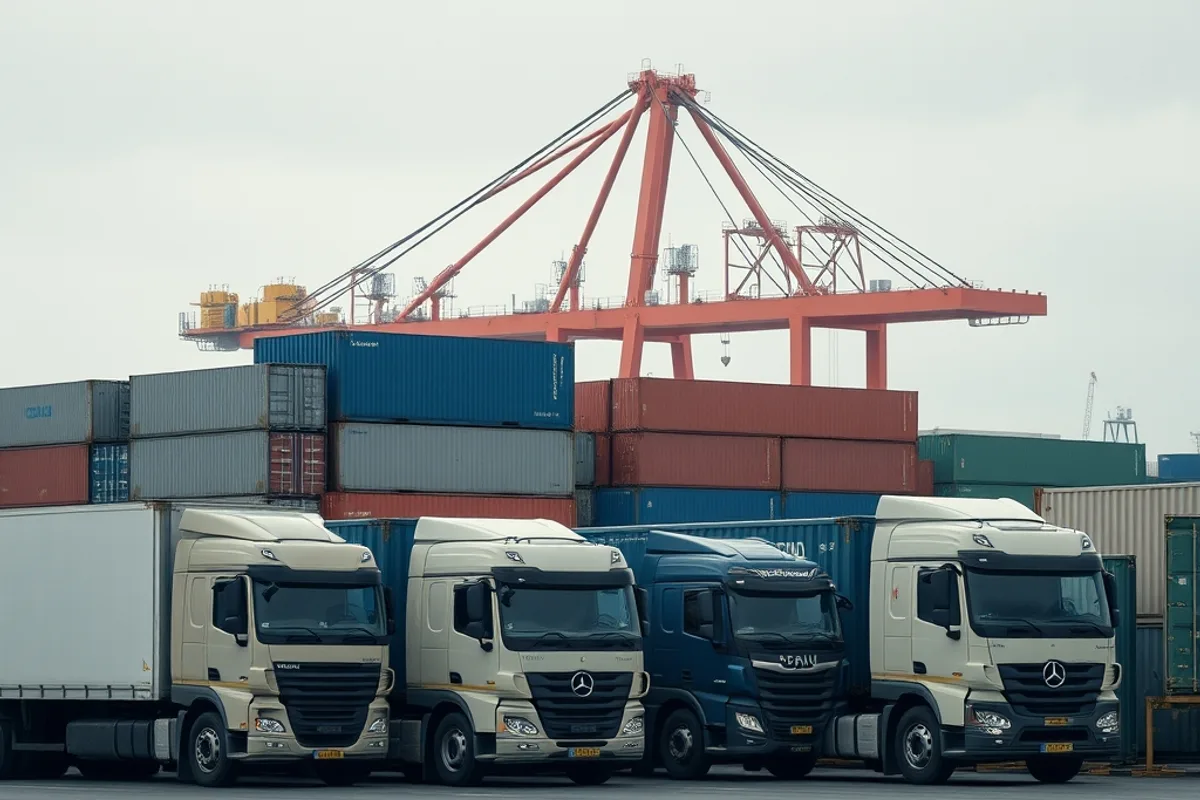
Freight operators are moving some cargo to trucks to keep contracts on schedule. Road is more flexible but more expensive per tonne-kilometre and produces more emissions.
The shift is temporary for most firms, but it can become sticky. Once a customer builds a road-based schedule, rail has to win the business back on reliability, not only price.
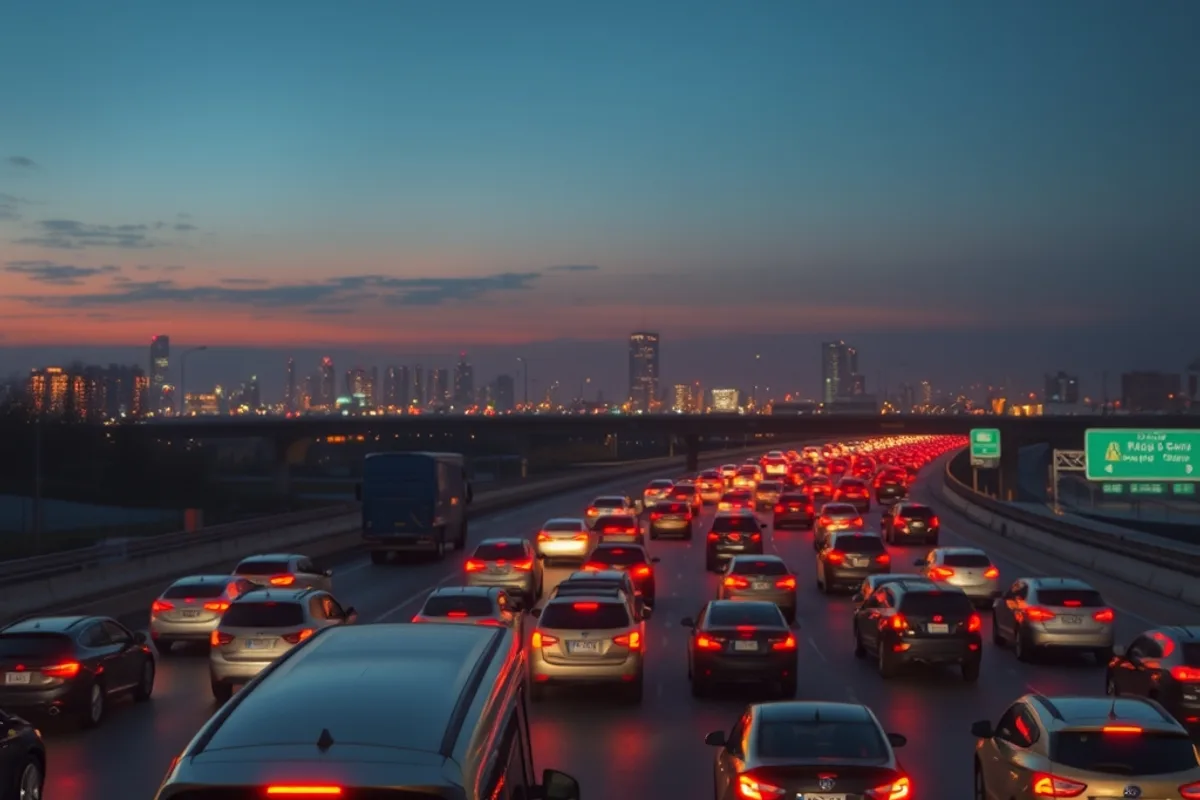
A resilient network is not one that never breaks. It is one where a single break does not stop everything else.
What travellers can do
Check before you leave, and check again. Operators are updating timetables more frequently than usual. Allow extra time for connections and keep tickets flexible where possible.
For essential journeys, consider park-and-ride or coach alternatives. For employers, the most useful step is a little flexibility on start times: a 30-minute shift can turn a cancelled connection into a manageable delay.
What to expect next week
Talks resume on Monday. If rostering is settled, services could return to normal within days, though the backlog will take longer to clear. Port dwell times should improve if the weather holds.
The deeper issue remains capacity. A network with little slack will keep producing weeks like this one until investment, staffing and land-use planning are aligned.
Official source: International Transport Forum.