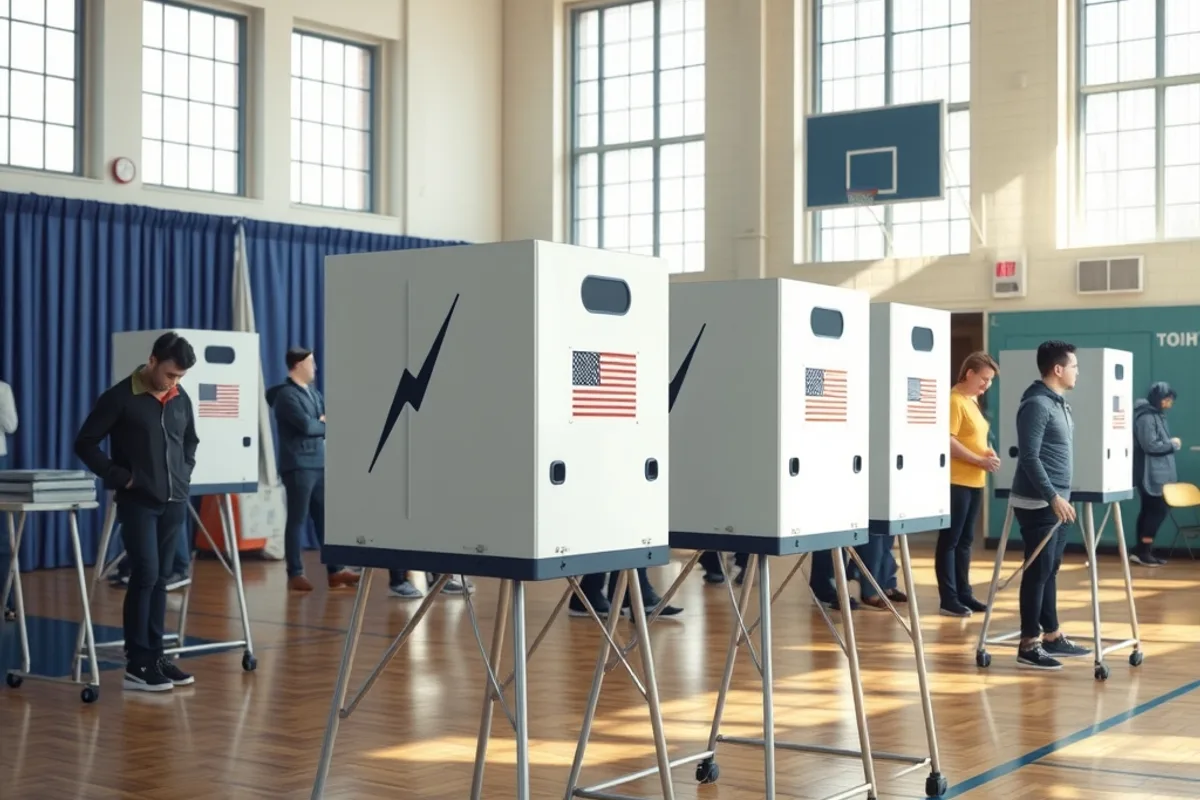
Ask people which level of government they trust, and a pattern appears across very different countries: the closer the institution, the higher the confidence. City hall outranks the national parliament; the local school outranks the ministry.
In 2026, that gap is shaping politics. Local elections are drawing more attention, local officials are building national profiles and national parties are trying to borrow the credibility of the neighbourhood without giving up control.
Key facts
- Local governments consistently score higher than national ones in trust surveys.
- Local election turnout is rising in many cities, though it remains below national turnout.
- Housing, transport and public safety dominate local campaigns more than national issues.
- City halls often deliver visible results faster than national governments can.
- National parties are recruiting local officials, but local brands remain distinct.
The trust gap
The local advantage is partly a matter of visibility. A council that fixes a crossing or opens a shelter produces evidence. A national government that changes a funding formula produces a press release and a delay.
It is also a matter of scale. Local officials are more likely to be recognized in the street and more likely to face the same services as their constituents. That proximity does not guarantee competence, but it raises the cost of ignoring a problem.
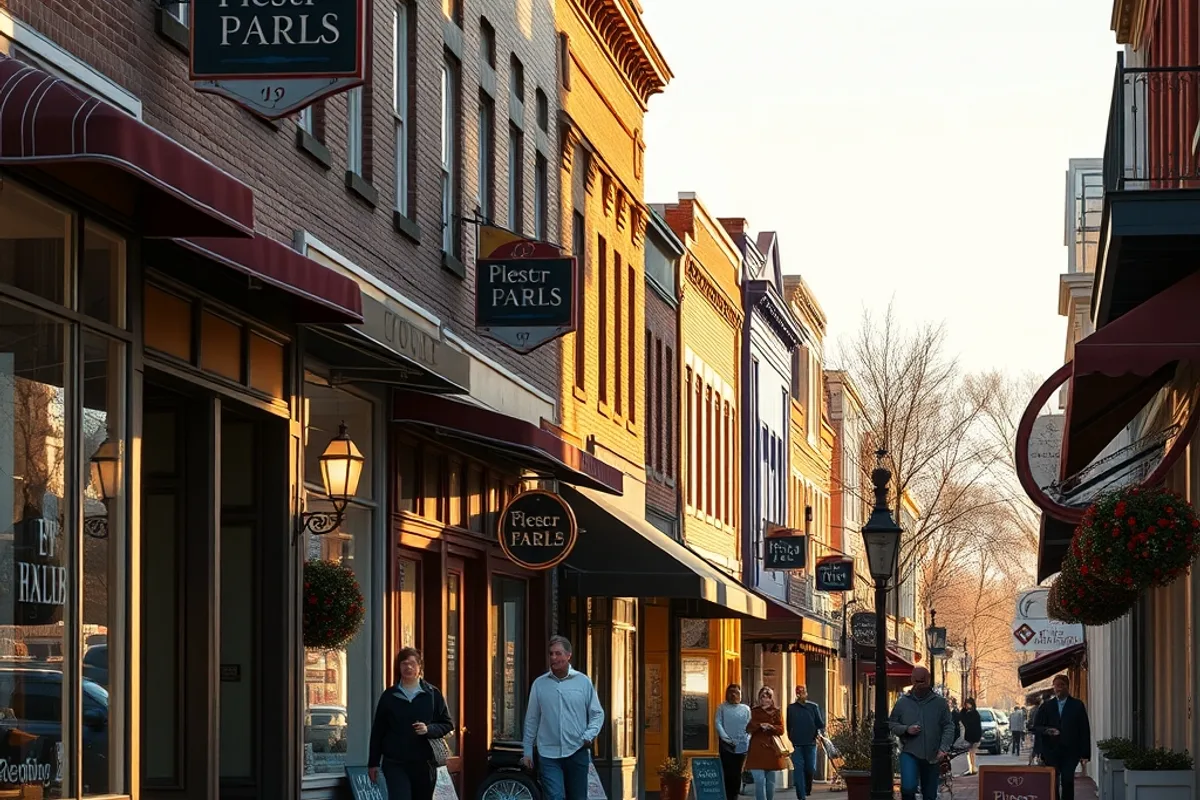
Why local works
Local governments can experiment. A pilot on housing permits, a new bus route or a violence-prevention programme can be tested without a national coalition. Success can be copied; failure can be contained.
They also have a clearer trade-off to manage. A city cannot pretend that a new development has no effect on traffic or schools. The debate is concrete, which can make it more honest and more volatile.

The turnout question
Local election turnout has risen in many cities, but it is still lower than national turnout and highly unequal. Homeowners and older residents are overrepresented; renters and younger voters are not.
Reforms that help include weekend voting, clearer information on what councils control and a shift from at-large to district elections in some cities. None is a cure, but together they make the local ballot more relevant to more people.

The limits of localism
Local government cannot solve problems that require national money or legal authority. Housing supply, health capacity and income support all depend on decisions above the city level.
There is also a risk of parochialism. A city that protects its own services by pushing costs onto neighbouring areas is not a model of trust; it is a free-rider. Regional coordination matters as much as local autonomy.
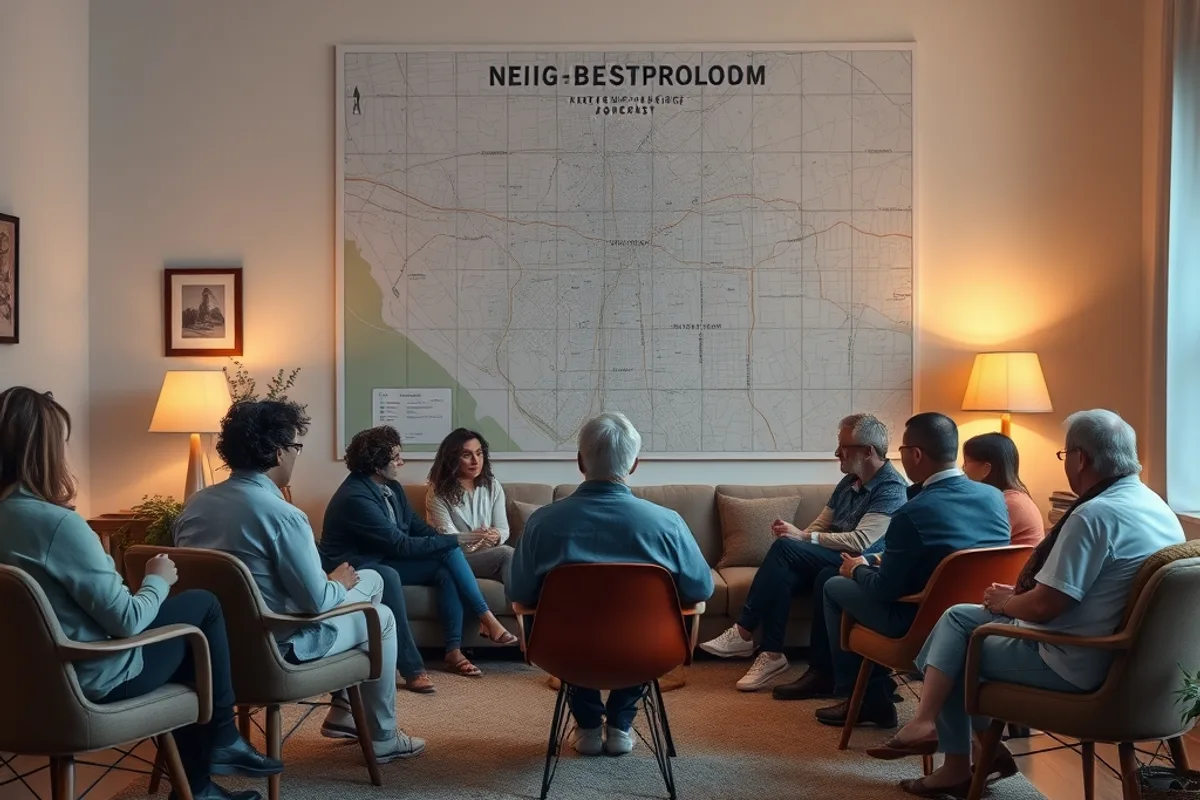
People do not experience a national policy. They experience a bus that arrives, a permit that is granted or a clinic that is open.
What national parties are doing
National parties are recruiting mayors and councillors, hoping their local credibility transfers. It sometimes does, but local officials often campaign on a distinct brand and distance themselves from national leaders.
The more interesting development is policy transfer. National parties are borrowing local ideas on housing, childcare and transport, then scaling them. The flow of ideas is now as likely to run from city hall upward as in the other direction.
The future of local politics
Expect more experimentation, more local referendums and more conflict over who pays for growth. Expect also a continuing gap between what local governments are trusted to do and what they are funded to do.
The health of national democracy may depend on closing that gap. Trust built at the local level is not automatically transferred upward, but it is one of the few places where it can be rebuilt in practice.
Official source: OECD governance.